Why we're building Campus CIAE
The Campus CIAE project isn't marketing. It's public proof that the coherence between what the group says and what the group builds is not an idea — it's a place. Here's the decision, in full.
By Joaquín Corella Puente, Eng.
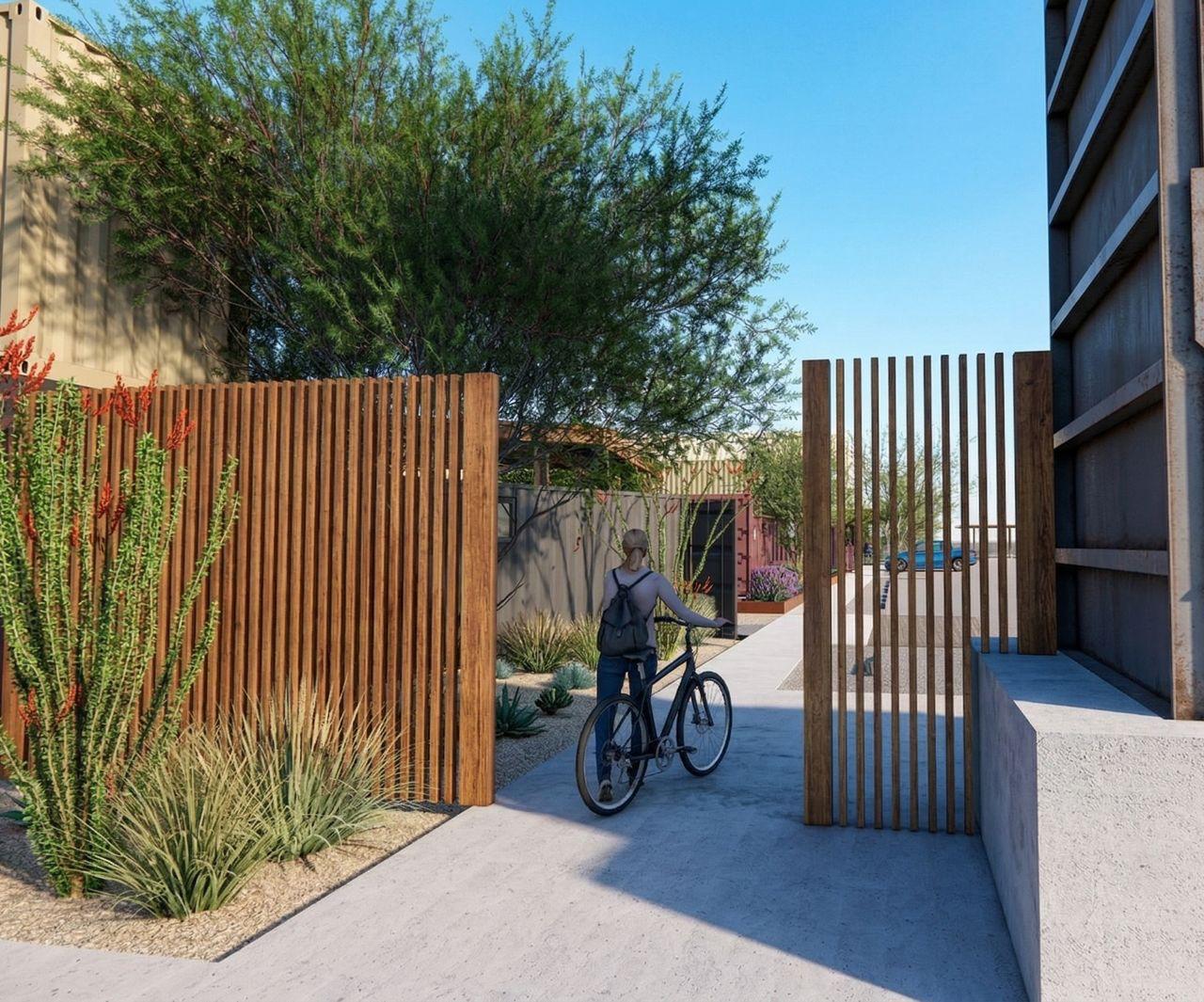
The building where we want to work
Years ago, the Grupo Empresarial CIAE team started talking about a project that seemed secondary at first: building our own headquarters. The “secondary” became obvious when we realized something uncomfortable.
We sell solar energy, certify competencies, inspect electrical installations, do industrial engineering. We operate eight brands that promise technical excellence to clients who invest millions in their own facilities. And we operate from rented offices, no panels, no BESS, nothing that materializes what we say.
The incoherence was quiet but permanent. Every client visit ended — without anyone saying it explicitly — with the same question: “And do you have installed what you’re selling me?”
Campus CIAE is the answer to that question.
It’s not marketing
This needs to be said clearly: Campus CIAE is not a marketing project. I clarify because any new corporate headquarters with a logo on the facade can be interpreted that way.
The difference is this: if it were marketing, we’d optimize for image. We’d have chosen a spectacular facade, hired a communications consultancy, generated content on social media throughout construction. But we did the opposite:
- The Campus logo doesn’t formally exist when we start. We decided to launch construction and the portal with a minimalist typographic logo. The visual identity is a justified exception to the group’s orange: desert palette (blue, corten, sand), its own architectural narrative, not the corporate brand manual. If this were marketing, this would be capital sin.
- We pursue dual independent certification. LEED v5 Platinum (USGBC) + EDGE Advanced (IFC of the World Bank). One certification can be questioned; two independent frameworks validating the same thing from different methodologies cannot. If this were marketing, one would have been enough.
- We publish the complete scorecard on the portal before having certification. If this were marketing, we’d wait for official issuance to brag.
- We’re keeping a public monthly construction journal. The good and the bad. If this were marketing, we’d only show milestones.
The technical decisions speak
Every project decision has a quantitative translation that will be verifiable on-site:
- 14 forty-foot High Cube shipping containers as primary structure. Not for aesthetics — for radical reuse and lower embodied carbon.
- R-18 insulation in envelope. Mexican NOM-020-ENER standard requires R-12. We’re 50% above.
- 100 kWp photovoltaic system across four zones, with self-consumption priority BESS under CFE GDMTH tariff. Projected result: 120% generation vs consumption. Net positive, not just net zero.
- 100% reuse of treated blackwater in landscape + recovery of rejects from softener, RO and AC condensate.
- 100% native landscaping of the Sonoran desert: ocotillo, agave, palo verde, ironwood, mesquite, palo brea. No grass, no exotic species requiring intensive irrigation.
- Universal accessibility in ALL main spaces, not just entrances. Exceeds NMX-R-050-SCFI.
Each of these decisions translates into LEED v5 credits published one by one at /en/certifications/scorecard when we reach Phase 3. No opacity.
The Campus is built by the group’s companies
This is the most important part: the photovoltaic system, electrical engineering, CFE interconnection and campus maintenance are not contracted out. The operational brands themselves do it:
- PSE designs and installs the 100 kWp photovoltaic system.
- IED does the electrical engineering and GDMTH tariff interconnection.
- LIMSON will provide operational maintenance.
- UIIE Industria inspects the interconnection under CRE.
- UIIE Instalaciones verifies internal installations under NOM-001-SEDE.
- CIAE delivers on-site training with real operational system.
- OC CIAE conducts EC0586 evaluations using the campus operational system.
This isn’t coincidence or decoration. It’s the group’s DNA in stone, steel and cable.
The LEED consultant
The project is led by Tribo Soluciones Sostenibles, with 4 LEED APs on the team and previous cases at AIFA, Ford, Toyota, Tec de Monterrey, Mabe, Kia and Banorte. We chose them for proven experience and their ability to deliver turnkey dual cross-validated certification. Architect Glenda Saucedo, general director of Tribo, leads the consultancy.
The timeline
- March 2026 — design kickoff with Tribo.
- June — September 2026 — executive design, energy model, LCA, daylighting.
- September 2026 — design completion, LEED Online registration, construction kickoff.
- September 2026 — February 2027 — construction.
- February 2027 — IAQ testing, enhanced commissioning.
- March 2027 — issuance of the two certifications.
What’s coming in this journal
As construction progresses, we’ll publish monthly entries. They’re not press releases — they’re technical process notes, with photos, decisions, doubts, adjustments and learnings. The journal is for potential clients, auditors, UTH students, OC evaluators, future projects that want to replicate what we’re doing.
The next entry arrives in June. Topic: the first LEED kickoff meeting with Tribo.
Until then, if you want to learn about the project, schedule a site visit. We’re using this stage to show the site pre-construction, talk about scope, and listen to questions. You’re welcome.
— Joaquín