The energy

Campus CIAE doesn't consume energy: it gives it back

A 100 kWp photovoltaic system across four zones, BESS storage with self-consumption priority, and CFE grid interconnection under GDMTH tariff. Result: 120% generation vs consumption. Net positive, not just net zero.
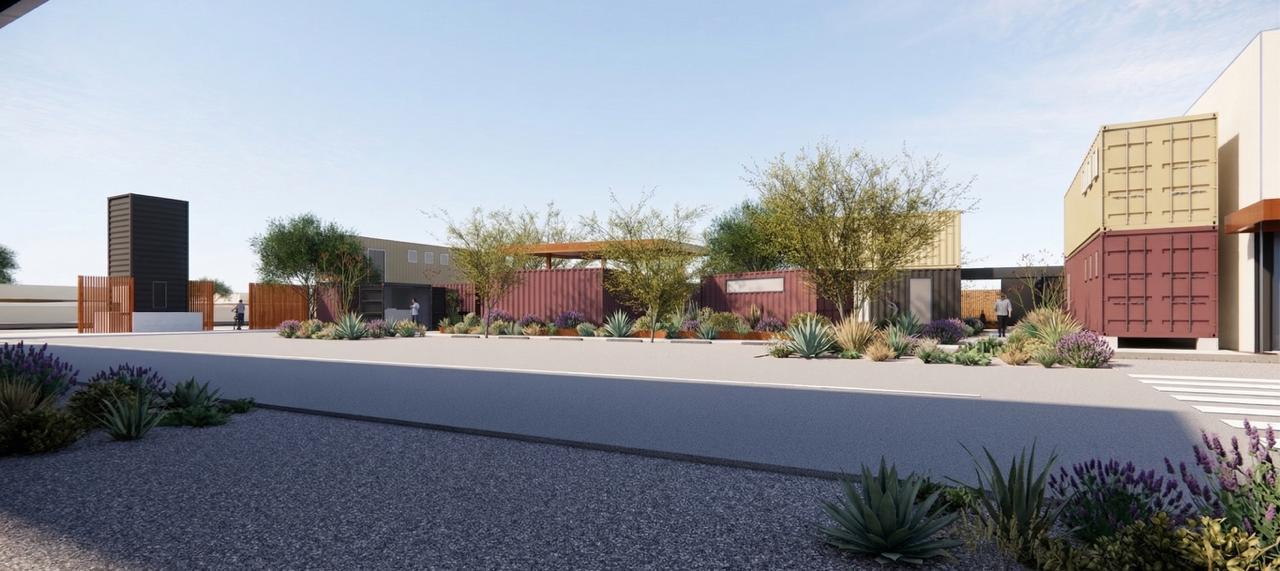
Industrial facility facade at Campus CIAE — destination of the PV system

Overview

The system in one image

Generation

100kWp

Across 4 zones

Storage

BESS

Self-consumption priority

Interconnection

GDMTH

CFE medium voltage

Coverage

120%

Generation vs consumption

Generation zones

Four zones, one grid

01

Comparative carport

PV system over parking + commercial showroom: string vs microinverter vs optimizers, mono vs poly vs bifacial. Shade + sales + research in one place.

02

Container rooftop

Main campus system, connected to BESS. Scheduled maintenance by LIMSON with safe access.

03

Industrial facility rooftop

Second operational system + secondary showroom with inverters from different brands and live dashboards for each.

04

Test slab (future)

Experimental bench for university research: bifaciality, orientations, angles, degradation comparisons. Publishable papers.

The BESS and why it's different

Not a backup battery.
Educational engineering.

The Campus BESS prioritizes self-consumption: stores solar energy the building doesn't use at the moment, exports only surplus. This reduces fossil fuel dependence even at night or during peak hours.

But the BESS has a second purpose: to teach. The cables are designed to be accessible and identifiable. CIAE students can make real measurements. OC evaluators can examine the system during EC0586 evaluations. UTH students can see energy flow on-site. There's no other educational BESS like this in Mexico.

Efficiency first

Generate 120% with a building that doesn't waste

The trick isn't just installing many panels. It's building something that needs little energy to start with. That's what separates net positive from greenwashing.

R-18

Container thermal insulation (50% above NOM-020-ENER code)

Low-E

Double-pane windows with passive solar control

SEER 18

Minisplit inverter AC with R-32 (GWP 675 vs 2088 R-410A)

100% LED

Lighting with BMS scheduling and sensors

Bioclimatic

Container orientation north-south axis + tree shading

Corten pergola

Passive shading in common areas + HVLS fan

Who builds it

The group ecosystem, not third parties

The Campus CIAE PV system, BESS and interconnection were not contracted out. They're the work of the group's companies. This isn't coincidence: the Campus is the materialization of the group's capabilities.

LEED v5

How this translates into LEED points

Energy is the strongest category in the scorecard. 30 of 33 possible points in the EA category, including the 3 credits mandatory for Platinum.

EAc1 Anticipated

Electrification

5 / 5 points Platinum Mandatory
  • 100% electric, no natural gas. Electric cooking, AC, water heating via PV recovery
EAc3 Anticipated

Enhanced Energy Efficiency

10 / 10 points Platinum Mandatory
  • R-18 + Low-E + AC SEER 18 + 100% LED lighting + BMS scheduling. ~50% reduction vs ASHRAE baseline

Project priority: PR1

EAc4 Anticipated

Renewable Energy

5 / 5 points Platinum Mandatory
  • 100 kWp PV system across 4 zones (carport, containers, warehouse, future slab). Generates 120% of consumption — net positive
EAc6 Anticipated

Grid Interactivity

2 / 2 points
  • BESS with self-consumption priority. CFE GDMTH interconnection. Educational design with accessible cabling
EAc7 Anticipated

Enhanced Refrigerant Management

2 / 2 points
  • R-32 (GWP 675) in all ACs vs R-410A (GWP 2088) — 68% less GWP
PRc1.7 Anticipated

Net Zero (actually net positive)

1 / 1 points
  • 100 kWp across 4 zones + BESS + GDMTH = 120% generation vs consumption

Frequently asked questions

What people ask us

What is a net positive building?
A net positive building produces more energy than it consumes in a typical year. Campus CIAE generates 120% — the 20% surplus is exported to the CFE grid under the GDMTH tariff net metering scheme. It's not net zero (compensation), it's actual production with surplus.
How does the BESS operate?
The Campus BESS (Battery Energy Storage System) has self-consumption priority: stores solar energy first, exports surplus to grid only. This reduces fossil fuel dependence even during low-generation hours. It's also intentionally designed with accessible cabling for educational purposes.
Under which CFE tariff is it interconnected?
Tariff GDMTH (Large Demand in Medium Voltage Hourly). It's the appropriate tariff for industrial/commercial users with demand greater than 100 kW. The BESS syncs with peak/intermediate/base hour schedules to optimize self-consumption during expensive hours and export during cheap ones when convenient.
What happens if CFE fails?
The BESS provides operational continuity autonomy for critical campus functions. It's not an instant-protection UPS for the entire building, but it does maintain essential operation during short interruptions. For prolonged emergencies, there are load management protocols.
Who installed the system?
The PV system is designed and installed by PSE (Proyectos y Soluciones en Energía), the group brand specialized in solar projects with GOODWE Authorized Service Center. Electrical engineering and CFE interconnection by IED (Ingeniería Eléctrica del Desierto). Operational maintenance is LIMSON's responsibility.
Is there a public generation dashboard?
Yes, planned for Phase 3 of the portal. It will show live generation from each of the 4 zones, technology comparisons from the showroom, and real-time building consumption. Meanwhile, aggregate data is published in the monthly journal.

See the system in operation

Schedule a technical visit to the inverter showroom or learn about the 3 Campus certifications.